
Capturing Architecture: The Art of Light and Form
Architecture is more than just the buildings we inhabit; it is a dialogue between light and form. The interplay of these elements creates spaces that evoke emotions, tell stories, and shape our experiences. In this blog post, we will explore how light influences architectural design, the techniques used to capture these moments, and the profound impact they have on our perception of space.

Understanding the Role of Light in Architecture
Light is a fundamental aspect of architecture. It can transform a simple structure into a breathtaking masterpiece. Here are some key points to consider:
Natural Light vs. Artificial Light: Natural light changes throughout the day, creating different moods and atmospheres. Artificial light, on the other hand, allows for control and creativity in design.
Shadows and Highlights: The way light interacts with surfaces can create depth and texture. Shadows can enhance architectural features, while highlights can draw attention to specific areas.
Color Temperature: The color of light can influence how we perceive a space. Warm light can create a cozy atmosphere, while cool light can evoke a sense of calm and clarity.
The Influence of Light on Architectural Design
Architects often design buildings with light in mind. Here are some ways light influences architectural design:
Orientation: The positioning of a building can maximize natural light. For example, large windows facing south can capture sunlight throughout the day.
Material Selection: Different materials reflect and absorb light differently. Glass, for instance, can create a seamless connection between indoor and outdoor spaces.
Spatial Dynamics: Light can manipulate how we perceive space. High ceilings and open areas can feel more expansive with the right lighting.
Techniques for Capturing Architectural Light
Photographing architecture requires a keen understanding of light and form. Here are some techniques to consider:
Use of Angles
The angle from which you capture a building can dramatically change its appearance. Experiment with different perspectives:
Eye-Level Shots: These provide a relatable view, making the structure feel approachable.
High-Angle Views: These can showcase the layout and surrounding environment, providing context.
Low-Angle Shots: These emphasize the height and grandeur of a building, making it appear more imposing.
Timing is Everything
The time of day can significantly affect the quality of light. Consider these times for optimal results:
Golden Hour: The hour after sunrise and before sunset provides soft, warm light that enhances textures and colors.
Blue Hour: The period just before sunrise and after sunset offers a cool, ethereal light that can create a dramatic atmosphere.
Composition Techniques
Composition plays a crucial role in architectural photography. Here are some tips:
Leading Lines: Use lines within the architecture to guide the viewer's eye through the image.
Framing: Incorporate elements of the environment to frame the building, adding depth to the photograph.
Symmetry and Balance: Many architectural designs are symmetrical. Highlighting this can create a sense of harmony in your images.
Case Studies: Iconic Architectural Photography
To illustrate the impact of light and form in architecture, let’s look at a few iconic examples:
The Guggenheim Museum, Bilbao
Designed by Frank Gehry, the Guggenheim Museum is a masterpiece of modern architecture. The building's titanium exterior reflects light in unique ways, creating a dynamic visual experience. Photographers often capture the museum during the golden hour, emphasizing the curves and angles that define its structure.
Fallingwater, Pennsylvania
Frank Lloyd Wright's Fallingwater is renowned for its integration with nature. The use of natural light is a key feature, with large windows allowing the surrounding landscape to become part of the interior. Photographers often focus on the interplay between light and shadow, highlighting the building's organic forms.
The Sydney Opera House
The Sydney Opera House is an iconic symbol of Australia. Its sail-like structures create a stunning visual effect when illuminated at night. Photographers often capture the building against the backdrop of the harbor, using reflections to enhance the composition.
The Emotional Impact of Light in Architecture
Light has the power to evoke emotions and influence our experiences within a space. Here are some ways light impacts our feelings:
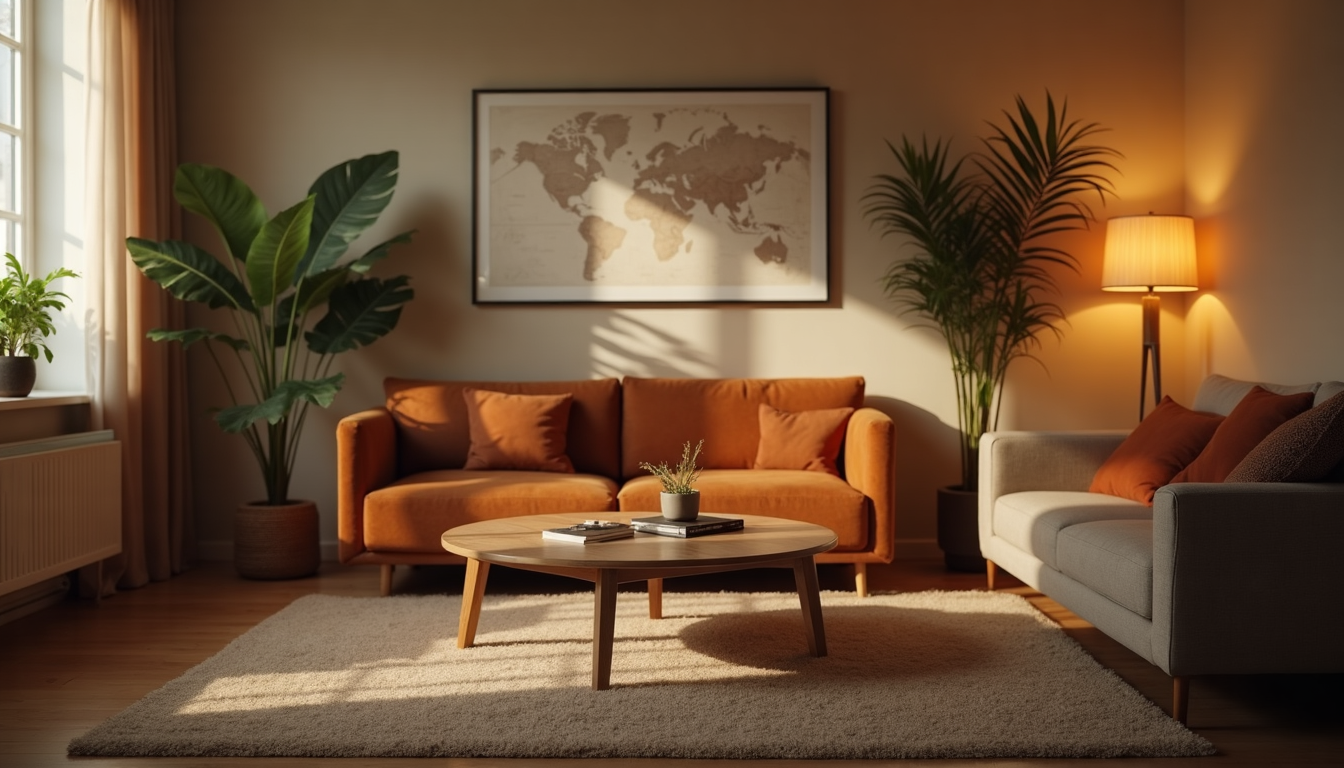
Warmth and Comfort: Spaces filled with natural light can create a sense of warmth and comfort, making us feel at home.
Inspiration and Creativity: Bright, well-lit spaces can stimulate creativity and productivity, making them ideal for work environments.
Calm and Serenity: Soft, diffused light can create a peaceful atmosphere, perfect for relaxation and reflection.
Designing for Emotional Impact
Architects and designers can intentionally use light to evoke specific emotions. Here are some strategies:
Creating Intimacy: Lower light levels can make a space feel more intimate and cozy, ideal for residential settings.
Encouraging Reflection: Spaces designed for contemplation, such as meditation rooms, often utilize soft, natural light to promote tranquility.
Energizing Spaces: Bright, open areas with ample natural light can invigorate and energize occupants, making them suitable for collaborative environments.
Conclusion: The Future of Light and Architecture
As technology advances, the relationship between light and architecture continues to evolve. Innovations in materials and lighting design are allowing architects to create even more dynamic and responsive spaces.
The art of capturing architecture lies in understanding how light interacts with form. By mastering this interplay, photographers can create stunning images that not only showcase the beauty of buildings but also convey the emotions they evoke.
As you explore the world of architecture, consider how light shapes your experience. Whether you are an architect, photographer, or simply an admirer of design, remember that the dance of light and form is what brings architecture to life.
Call to Action
Next time you visit a new building, take a moment to observe how light interacts with its form. Capture your impressions through photography or simply enjoy the experience. Share your thoughts and images with others to inspire a deeper appreciation for the art of architecture.

Comments