
The Importance of Context in Interior Photography
Interior photography is more than just capturing a space; it’s about telling a story through the lens. The context in which a photograph is taken can dramatically influence the viewer's perception and emotional response. Understanding how to incorporate context into your interior photography can elevate your work from simple snapshots to compelling visual narratives.
Understanding Context in Photography
Context refers to the circumstances or setting in which an event occurs. In photography, it encompasses the elements that surround the subject, including lighting, composition, and the story behind the space. When photographing interiors, context can help convey the atmosphere, purpose, and character of a space.
Why Context Matters
Emotional Connection: Context helps create an emotional connection between the viewer and the image. For example, a cozy reading nook bathed in warm light can evoke feelings of comfort and relaxation.
Storytelling: Every space has a story. By incorporating context, you can tell that story visually. A well-staged kitchen can reflect a family’s lifestyle, while a minimalist office can convey a sense of professionalism.
Visual Interest: Context adds layers to your images. A simple shot of a room can become more engaging when you include elements that provide insight into the space’s use or history.
Elements of Context in Interior Photography
To effectively capture context in your interior photography, consider the following elements:
Lighting
Lighting plays a crucial role in setting the mood of a photograph. Natural light can create a soft, inviting atmosphere, while artificial lighting can add drama or highlight specific features.
Natural Light: Use windows and doors to your advantage. Early morning or late afternoon light can create beautiful shadows and highlights.
Artificial Light: Experiment with different light sources, such as lamps or overhead fixtures, to enhance the ambiance.
Composition
The way you compose your shot can significantly impact the context. Consider the following techniques:
Leading Lines: Use architectural features to guide the viewer’s eye through the image.
Framing: Incorporate elements in the foreground to frame the subject, adding depth and context.
Rule of Thirds: Position key elements along the grid lines to create a balanced and engaging composition.
Styling and Staging
The way a space is styled can provide context about its use and character. Pay attention to:
Furnishings: Choose furniture that reflects the style and purpose of the space. A modern chair in a traditional room can create a striking contrast.
Accessories: Incorporate personal items, such as books or artwork, to tell a story about the inhabitants.
Practical Tips for Capturing Context
Here are some practical tips to help you incorporate context into your interior photography:
Research the Space
Before you start shooting, take time to understand the space. Ask questions like:
What is the purpose of the room?
Who uses the space, and how do they interact with it?
What story do you want to tell through your images?
Use a Wide Angle
A wide-angle lens can help capture more of the room, providing a better sense of context. This is especially useful in smaller spaces where you want to convey the layout and flow.
Capture Details
Don’t forget to photograph the details. Close-ups of textures, patterns, or unique features can add context and interest to your portfolio.
Experiment with Angles
Try different angles to find the most compelling perspective. High-angle shots can provide an overview of the space, while low-angle shots can emphasize height and grandeur.
The Role of Color in Context
Color can significantly influence the mood and context of your photographs. Consider the following:
Warm Colors: Reds, oranges, and yellows can create a sense of warmth and comfort.
Cool Colors: Blues and greens can evoke calmness and tranquility.
Neutral Colors: Whites, grays, and browns can provide a clean backdrop, allowing other elements to stand out.
Color Schemes
When photographing a space, pay attention to the color scheme. A well-coordinated palette can enhance the overall aesthetic and provide context about the design intent.
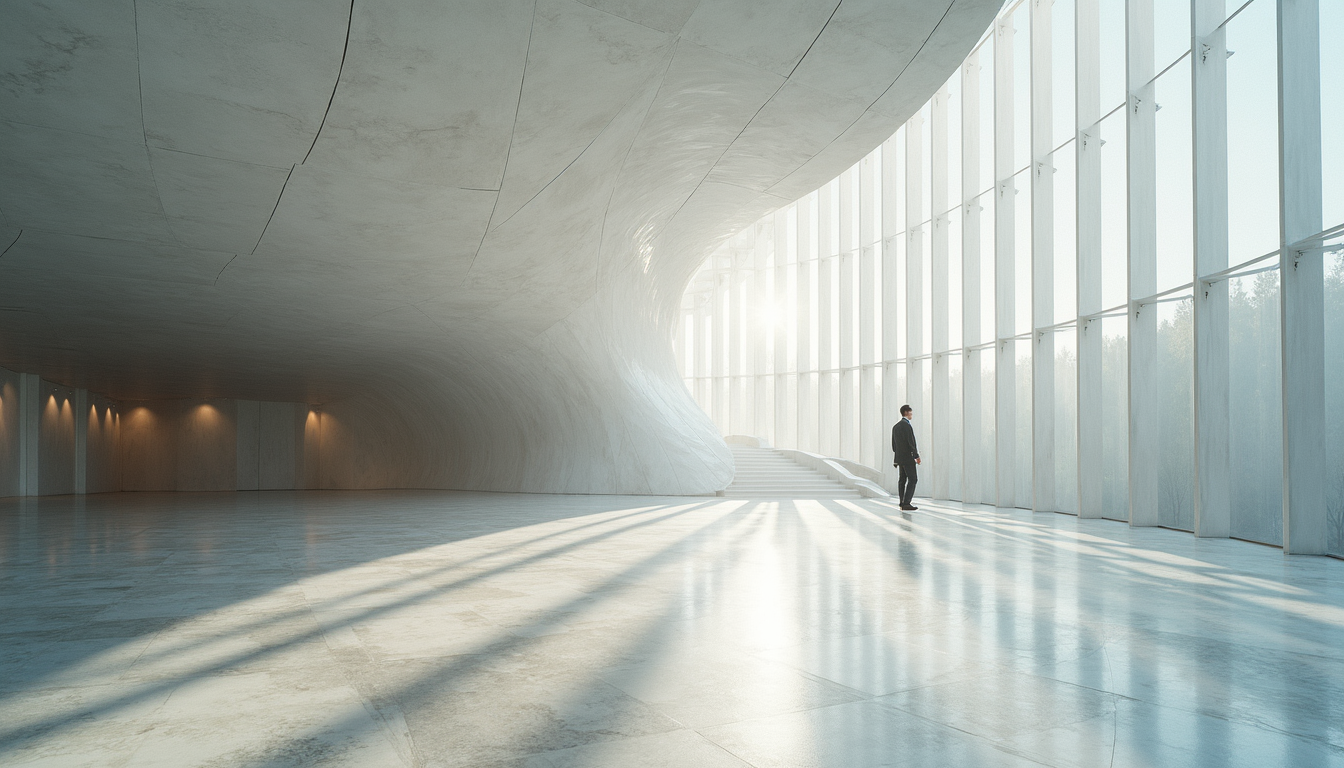
Image Placeholder

The Impact of Context on Audience Perception
Understanding your audience is crucial in interior photography. Different viewers may interpret images based on their experiences and expectations. Here’s how context can shape perception:
Target Audience
Consider who will be viewing your photographs. Are they potential buyers, renters, or design enthusiasts? Tailor your images to resonate with their interests.
Cultural Context
Cultural background can influence how people perceive design elements. For example, minimalism may be appreciated in some cultures, while others may prefer more ornate styles.
Emotional Resonance
Images that evoke strong emotions can leave a lasting impression. Use context to tap into feelings of nostalgia, comfort, or inspiration.
Case Studies: Successful Use of Context in Interior Photography
Case Study 1: A Family Home
In a recent project, a photographer captured a family home filled with personal touches. By including family photos, children’s toys, and cozy textiles, the images conveyed warmth and livability. The context helped potential buyers envision themselves in the space.
Case Study 2: A Modern Office
Another photographer focused on a sleek, modern office. By highlighting the clean lines, open spaces, and innovative design elements, the images communicated professionalism and creativity. The context emphasized the office’s purpose and appeal to businesses looking for a fresh workspace.
Conclusion
Incorporating context into your interior photography is essential for creating compelling images that resonate with viewers. By understanding the elements of context—such as lighting, composition, and styling—you can tell a story that captures the essence of a space. Remember to consider your audience and the emotional impact of your images.
As you continue to develop your skills, keep experimenting with different techniques and approaches. The more you understand context, the more powerful your interior photography will become. So grab your camera, explore new spaces, and let the context guide your creative journey.

Comments